
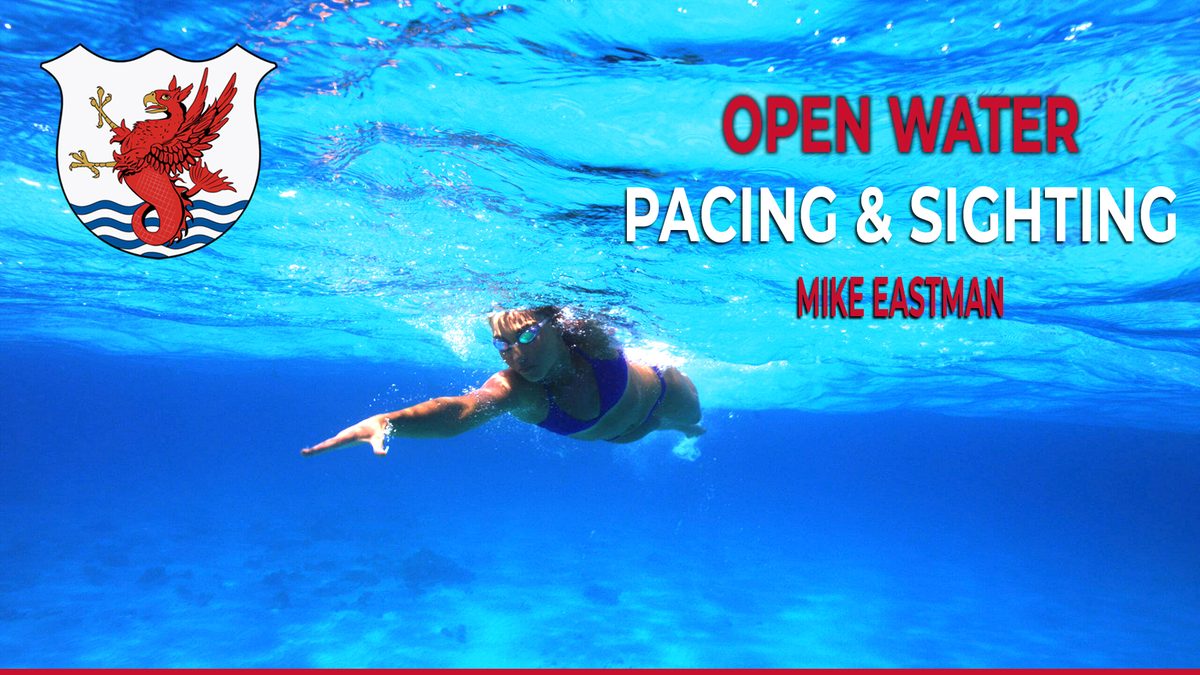

Most swimmers stick to what they know. We get our reps in a controlled environment: clean lanes, set intensities, and rest between sets. It is how nearly all of us learned to swim, and there is good reason for it. Pool training is safe, predictable, and easy to build consistency in. However, open water swimming is a completely different sport wearing the same suit.
A Different Kind of Preparation
Open water throws variables at you that a pool never will. What will the water temperature be? Is a current also pulling you off your line? Do you have a spotter or coach watching over you for safety? In fact, racing, or even training, in open water takes real planning before you ever touch the water. Once you are in it, the swimming itself then demands a completely different skill set.
Two skills, then, separate the swimmers who thrive in open water from the ones who struggle: pacing and sighting. So let’s break both down.
Pacing
Open water races tend to run long, stretching from a 400 meter sprint triathlon leg out to 10K races. Some athletes push even further into ultra-distance territory. Covering distances like these takes real pacing experience.
Here is the trap: a 400 meter swim in open water can feel like a full kilometer. In fact, current, chop, and getting knocked off course all add up. Therefore, your ability to hold a steady, controlled heart rate for the entire distance matters most. This is what lets you finish strong instead of fading in the final stretch.
This matters even more if you are swimming the first leg of a triathlon. Your job in the water is not to win the swim, it is to set up the rest of your race. Exit the water with your heart rate spiked above 180 BPM, and you will pay for it on the bike and the run that follows. So keep the swim controlled, and save your effort for where it actually counts.
Sighting
This is the single biggest difference between lap swimming and open water swimming. In fact, it is the one that catches people off guard. Without solid sighting technique, a 1.2 mile swim can quietly turn into a 1.8 mile swim. That is half a mile of extra work you did not need to do.
Here is the routine we recommend: every other breathing cycle, lift your eyes forward for a quick peek. Then turn your head to the side to breathe. Keep it one smooth motion. Do not stop your stroke, and do not lift your whole head. Instead, take a quick look and settle back into rhythm. Do this often enough that course-checking becomes automatic, not an afterthought.
Want to see it done well? Watch Florian Wellbrock demonstrate this exact technique in his finish at the 10K Open Water Swim at Aqua Fukuoka ’23.
One more thing to keep in mind: the swimmers around you affect your line, whether you like it or not. Pack yourself in with strong, experienced swimmers, and you can then actually draft off their line and their pace. Get boxed in by inexperienced swimmers, though, and they can pull you off course without either of you realizing it.
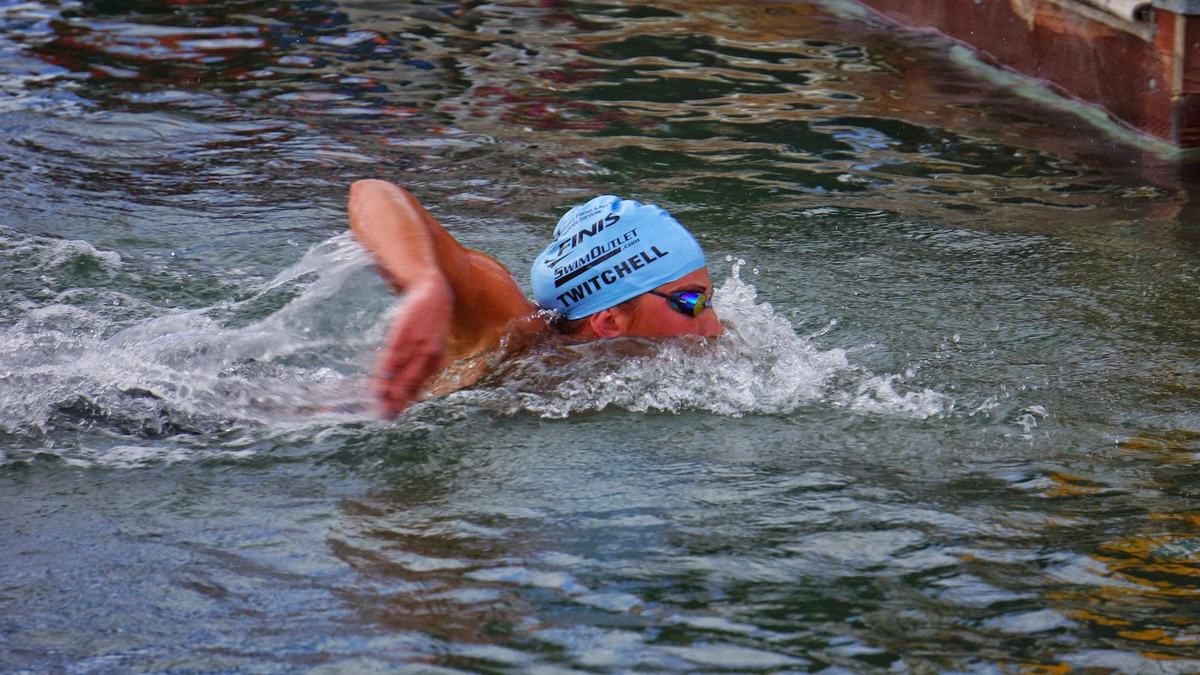
Respect the Differences
Open water is not harder than pool swimming, it is simply different. So respect the differences, and train the specific skills. Then you will walk into your next open water race prepared instead of surprised.
Build the Engine Behind It
Pacing and sighting only carry you so far if your aerobic engine gives out halfway through the swim. Open water success is built long before race day, and that means logging real aerobic volume in the pool. Our Endurance Ladder Main Set targets exactly that kind of distance freestyle conditioning. It pairs naturally with the pacing and sighting work above, so add it to your training week if endurance is what you need most.

Everything here is taught, tested, and perfected at camp.
Ready to put pacing and sighting into practice? Our coaching staff builds these exact skills into camp sessions, private lessons, and year-round membership training.